
Costa Rica’s Green Grid Draws Investors
Costa Rica’s foreign investment appeal is increasingly being built around a combination of renewable energy, specialised talent and sector diversification. The country has positioned sustainability not as a branding exercise, but as part of the operating case for multinational companies seeking reliable conditions close to major regional markets.
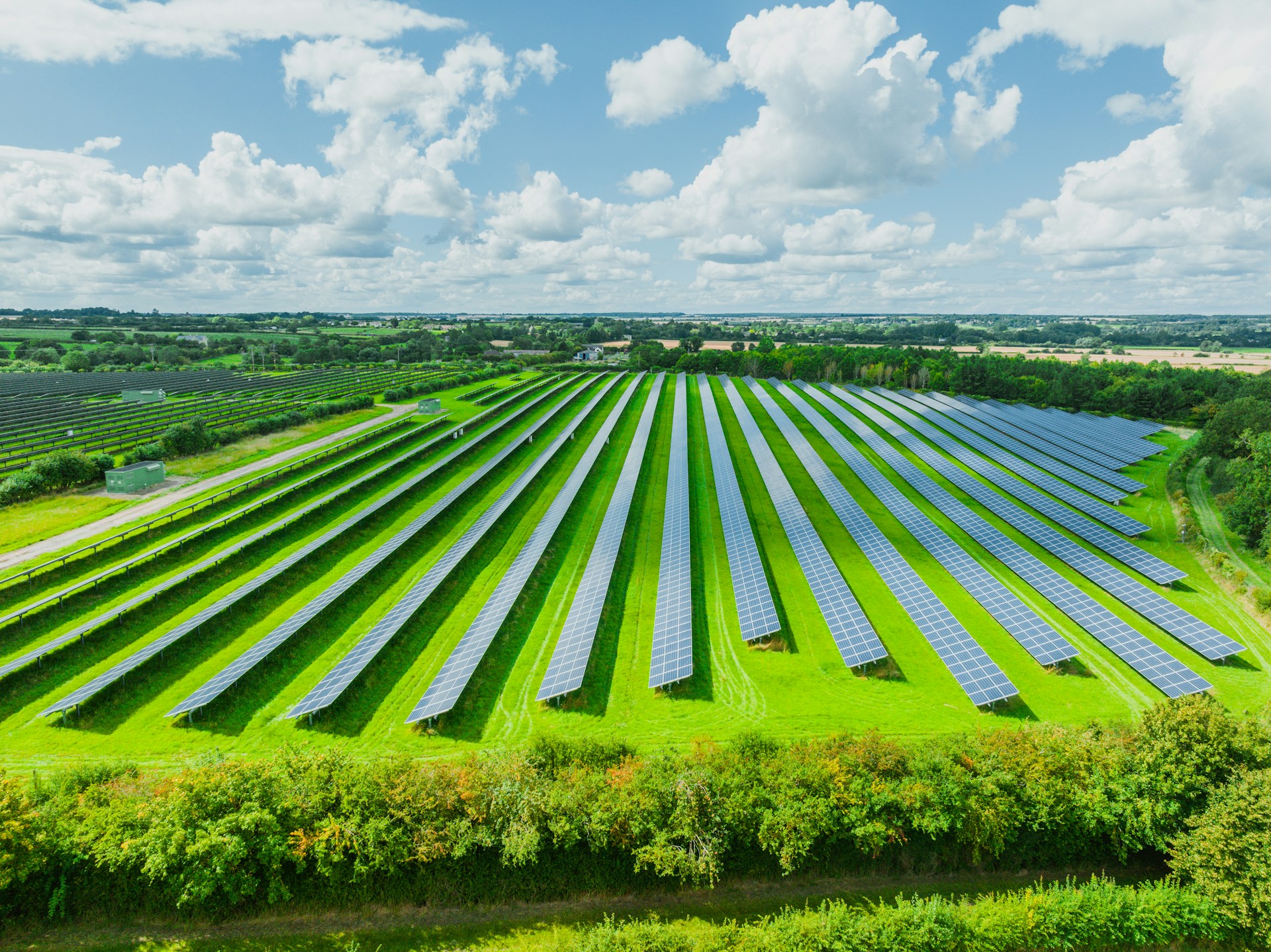
The country’s energy matrix has been powered 98% by renewable sources over the past five years, drawing on hydro, wind, geothermal and solar power. That gives companies an environmental advantage at a time when investment decisions are increasingly shaped by emissions targets, operational efficiency and alignment with global sustainability standards. Costa Rica’s climate credentials were recognised in 2019 with the United Nations Champions of the Earth award.
The investment figures show how that positioning is translating into projects. In 2024, Costa Rica attracted 61 new multinational projects across manufacturing, technology and services, contributing to a record 32% increase in FDI inflows, based on central bank data. The country’s Trade and Investment Promotion Agency, PROCOMER, provides support across the investment cycle, from setup and expansion to scaling and links with the export ecosystem.
The model is also moving beyond the capital region. Costa Rica is targeting stronger value chains, employment creation and knowledge transfer across the country, while expanding from established areas such as life sciences and corporate services into agrifood, audiovisual production and semiconductors. More than 1,000 multinational companies, including Boston Scientific, Equifax, Johnson & Johnson and Bayer, now operate in the country.
For investors, Costa Rica’s proposition rests on a particular form of consistency: political and economic stability, a Free Trade Zone regime, qualified tax exemptions and an educated technical workforce. The country’s challenge is to keep converting that credibility into geographically broader investment, so sustainability and high-value production become drivers of national capability rather than isolated corporate success stories.