
Cuba opens investment access to diaspora
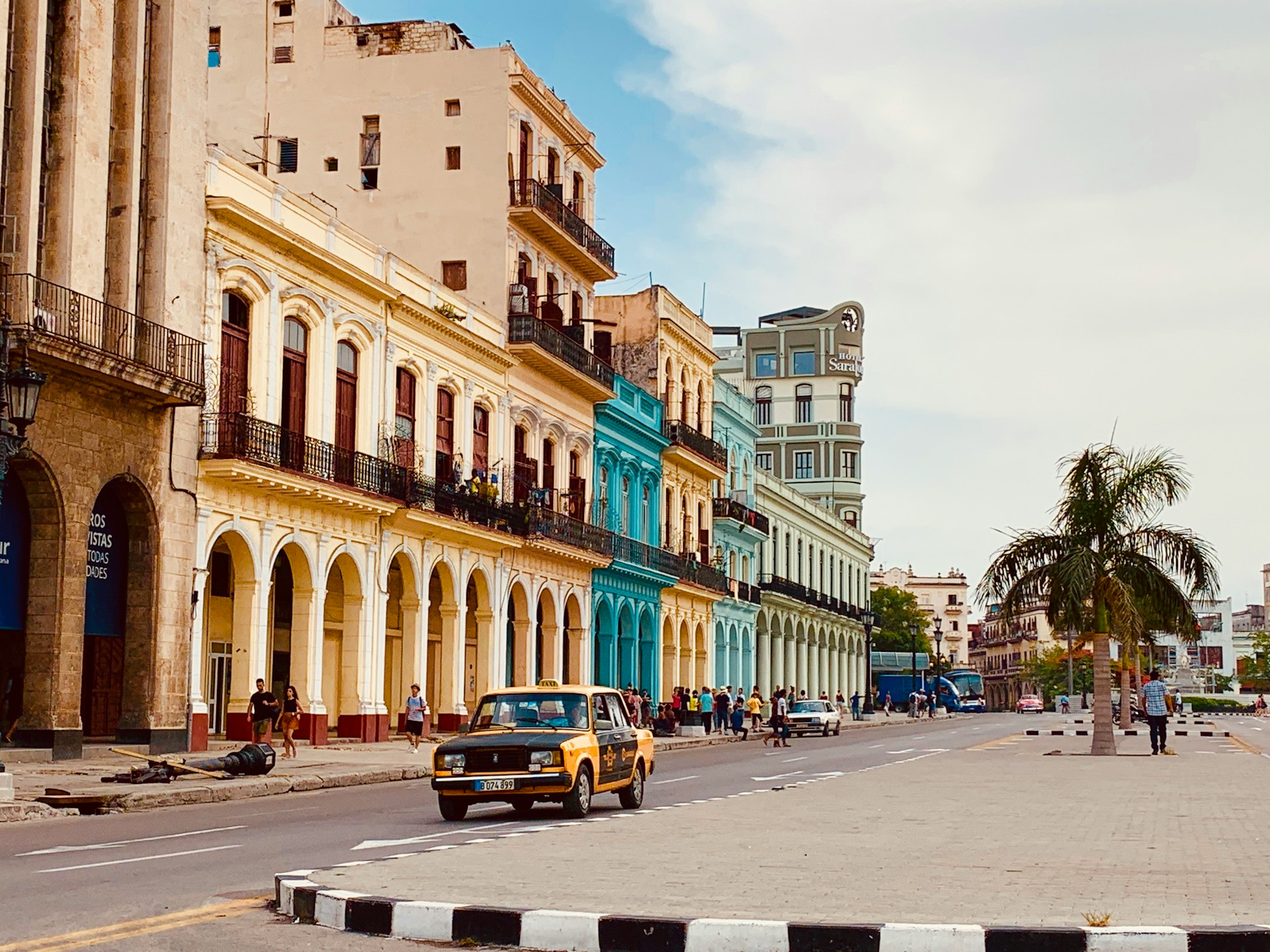
Cuba has invited exiles, including Cuban Americans, to invest in and own businesses on the island, marking a notable policy shift aimed at attracting foreign capital amid a deep economic crisis.
Officials said nearly all sectors of the economy are now open to investment, with Deputy Prime Minister Oscar Perez-Oliva Fraga stating there are no limitations on participation. The move includes efforts to remove barriers for foreign investors, although longstanding United States legal restrictions linked to the economic embargo continue to constrain trade and investment flows.
The policy reflects a pragmatic adjustment as Cuba seeks to revive an economy weakened by sanctions, fuel shortages and persistent blackouts. Authorities confirmed that the initiative follows the start of discussions with the United States, with indications that economic opening may form part of any future bilateral arrangement. Historically, Cuban authorities have treated segments of the exile community with caution, given their association with support for sanctions against Havana.
Cuban nationals on the island have been permitted to operate private businesses since 2021, but those living abroad were previously excluded. The revised framework allows expatriates to participate across a wide range of sectors, from small enterprises to larger projects. Officials highlighted agriculture as a priority area, referencing arrangements in which foreign entities operate under usufruct agreements while land ownership remains with the state.
Economists described the shift as potentially consequential, noting that it could support closer economic ties with the United States and create openings for international companies despite persistent structural and legal constraints. More than one million Cubans have emigrated since 2021, representing a pool of capital that has so far remained largely untapped.
The initiative unfolds against a backdrop of heightened external pressure, including tightened energy supplies and political signalling from Washington, leaving open questions about how quickly such investment could materialise under existing restrictions.