
Gulf Conflict Strains FDI Strongholds
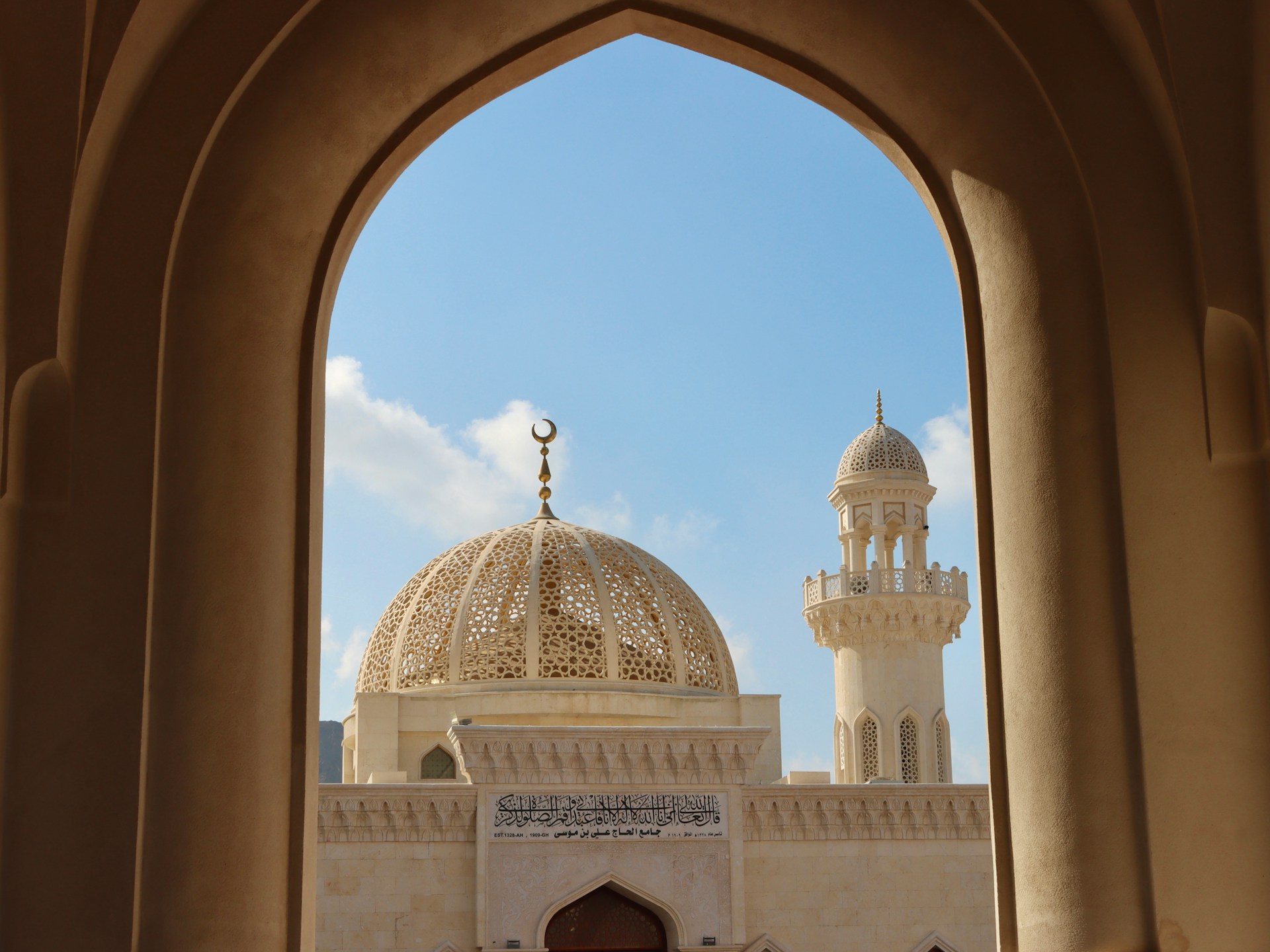
The Middle East’s leading foreign direct investment destinations are facing renewed scrutiny after Iranian retaliatory strikes hit key Gulf commercial centres, raising questions over operational risk across the region’s principal FDI hubs.
Civilian and commercial sites in the United Arab Emirates, Qatar and Saudi Arabia have been targeted by Iranian missiles and drone attacks in response to the US-Israeli military campaign against Tehran. Strikes have damaged infrastructure central to the Gulf’s investment appeal, including Dubai’s international airport, the Burj Al Arab hotel and Palm Island. Saudi Arabia’s Ras Tanura refinery was temporarily closed, while Qatari gas production was halted. Other sites affected include Duqm port in Oman and Kuwait’s international airport. At least three people were reportedly killed in the UAE and one in Kuwait.
The escalation tests years of efforts by Gulf Cooperation Council members to position themselves as stable investment destinations despite regional volatility. Data from fDi Markets shows that over the past five years the UAE, Saudi Arabia and Qatar have been the region’s largest recipients of greenfield FDI pledges by project numbers and estimated capital expenditure, with Oman also ranking among the top five. Analysts warn that direct strikes on hotels, industrial zones, ports and airports may unsettle regional equity markets and real estate, while exposing vulnerabilities in energy infrastructure that underpin wider economic activity.
Energy assets are viewed as a particular risk for foreign operators. Industry executives say international oil and gas companies are reassessing export route flexibility and workforce contingency planning. While investment into Gulf energy, logistics and transport is unlikely to cease, capital allocation is expected to become more selective. Concerns also extend to potential power disruptions, shipping through the Strait of Hormuz and heightened cyber security threats.