
Tariffs Reshape Korea’s US Chip Push
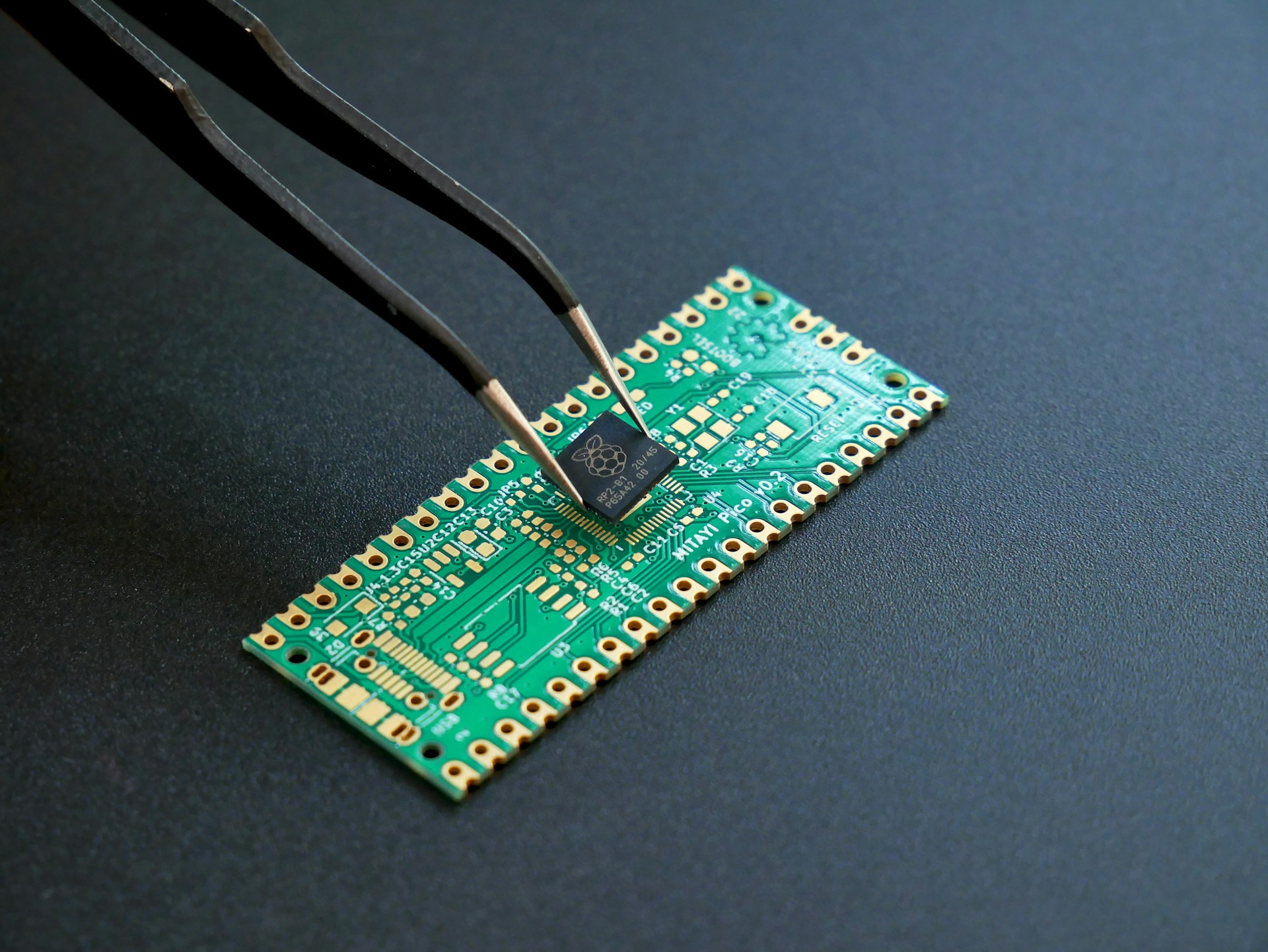
South Korea and the United States are discussing additional semiconductor investment as Washington prepares a more targeted tariff regime for imported chips, putting cross-border manufacturing decisions at the centre of a wider trade negotiation. The talks show how market access is becoming increasingly tied to where strategic technology is produced.
The discussions build on last year’s agreement covering $350 billion of South Korean investment in US manufacturing. Under that framework, Korean chipmakers are meant to receive tariff treatment no less favourable than competitors with equal or larger trade volumes. That protection now carries greater weight as Washington signals that companies producing outside America could face higher import costs.
For Samsung Electronics and SK Hynix, the decision is not simply about avoiding tariffs. Both sit at the heart of the global memory-chip market, where demand has accelerated alongside US investment in artificial intelligence infrastructure. Expanding production in America could bring them closer to major customers and strengthen supply-chain resilience, but it would also require substantial capital, specialist labour and long-term policy certainty.
The negotiations reflect a broader change in foreign direct investment. Governments are increasingly using tariffs and market-access rules alongside subsidies to influence where factories are built. That can accelerate localisation, but it also risks pushing companies towards investment choices shaped more by policy pressure than operating efficiency.
South Korea now has to balance two priorities: protecting access to its largest technology market while preserving the industrial ecosystem that made its chipmakers globally competitive. For the US, the challenge is equally delicate. Tariff leverage may attract more semiconductor investment, but too much pressure could fragment the supply chains its AI ambitions still depend on.