
UK wind investment shifts amid scrutiny
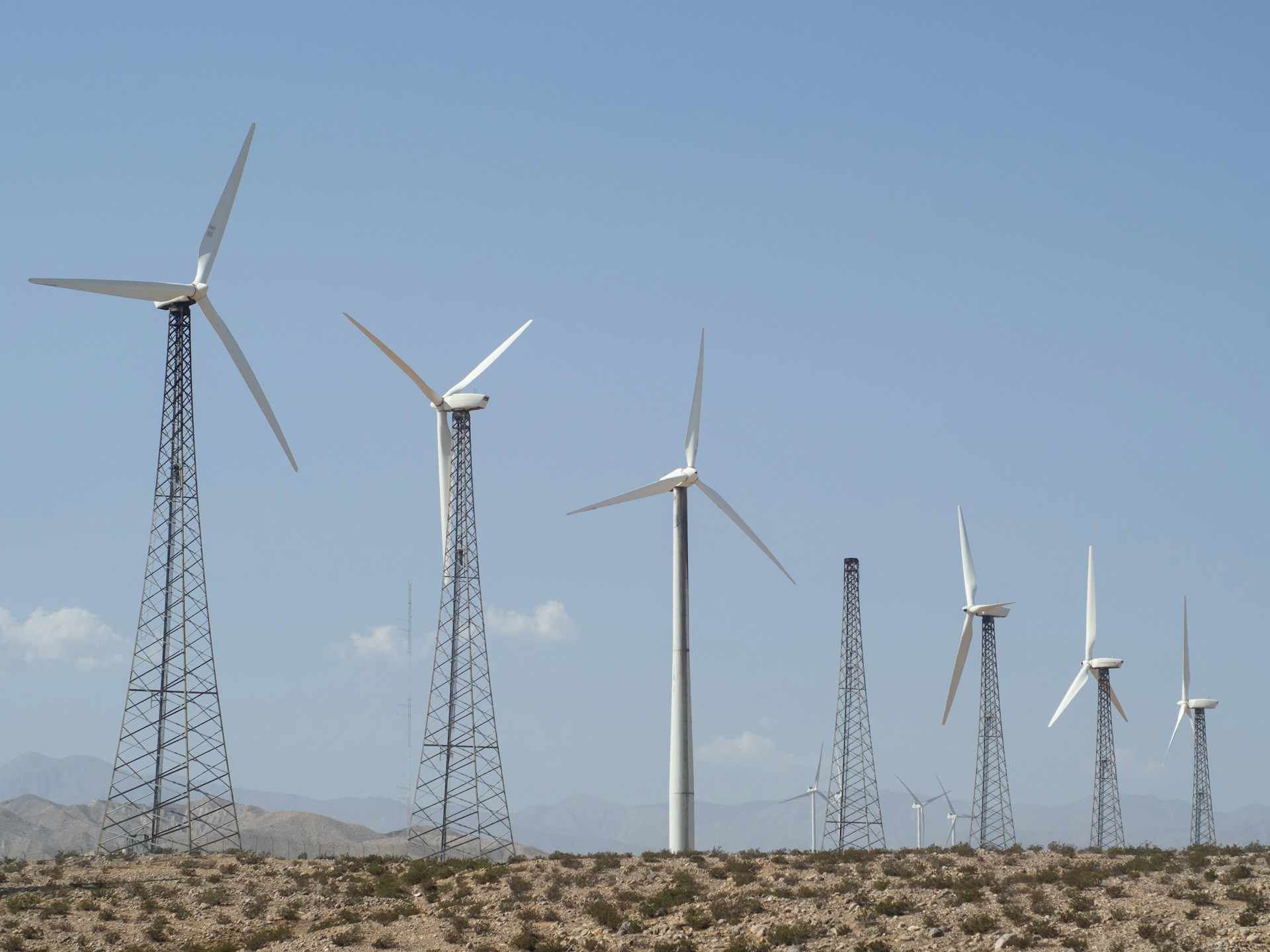
Vestas’ plan to build a €250mn factory in Scotland has reshaped the UK offshore wind investment picture, coming as the government moved to block a far larger proposal from China’s Ming Yang on national security grounds. The contrast underlines how foreign direct investment in strategic energy infrastructure is being filtered not only through industrial need, but also through geopolitical risk.
The Danish turbine maker said on March 25 that its final investment decision depends on securing sufficient UK-based orders in allocation rounds 7 and 8, the current and forthcoming bidding rounds for offshore wind developments. Subject to those results and the planning process, Vestas said the facility could begin production by 2029 or 2030. Its plan also includes identifying opportunities to co-locate suppliers of other major components, suggesting an effort to deepen the local manufacturing base around offshore wind deployment in the North Sea.
That announcement came as the UK effectively blocked Ming Yang’s proposed £1.5bn project at Ardersier Port. According to a person familiar with the matter quoted in the source, the government concluded there were national security risks associated with the project and communicated that position to offshore wind developers. Ming Yang said it was disappointed by the decision, arguing that the move removed a chance to increase competition in a capacity-constrained wind turbine market and delayed a major investment in Scottish offshore wind turbine production.
The proposed Chinese investment had faced resistance from an early stage. Concerns centred on three issues, cyber security, espionage and supply chain dependence, with some critics framing the matter as a potential repeat of the UK’s earlier disputes over Huawei’s role in 5G infrastructure. Ming Yang Europe chief executive Horatio Evers said the company believed it had addressed national security concerns in direct talks with the government, but argued that any final approval depended on a political decision over Chinese access to the UK market.
The outcome matters because the UK aims to raise installed offshore wind capacity to as much as 50GW by 2030, from about 17GW at the end of 2025, largely through projects concentrated off the Scottish coast. WindEurope expects capacity to reach around 32GW by 2030, still leaving open how far investment screening and industrial policy will shape the pace and composition of that expansion.